African women are rising for climate justice and reparations on the inaugural continental day of action.
By the Witness Radio team.
Today, April 15, 2026, hundreds of women environmental defenders, community organizations, and allies across Africa and beyond will mark the inaugural African Women’s Climate Justice Day, highlighting how these actions aim to deliver tangible benefits, such as improved resilience
and support for local communities affected by climate change.
Under the theme “Our Lands, Our Voices: African Women United for Reparations and Climate Justice!”, the Day of Action will showcase community-led activities across West and Central Africa, fostering hope and collective resilience.
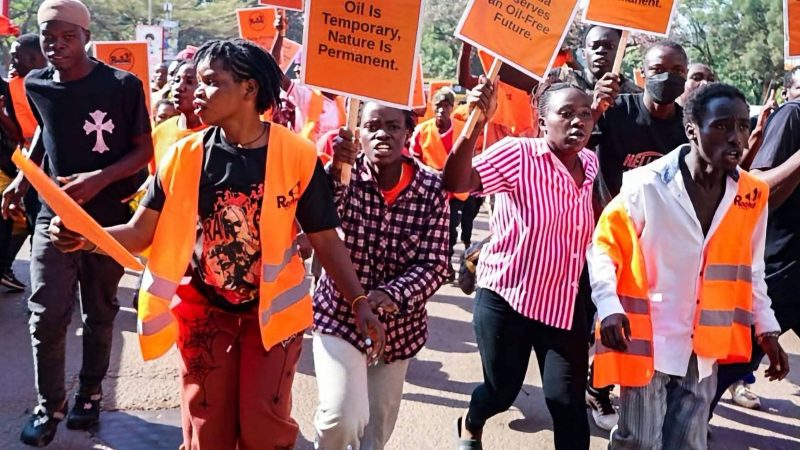
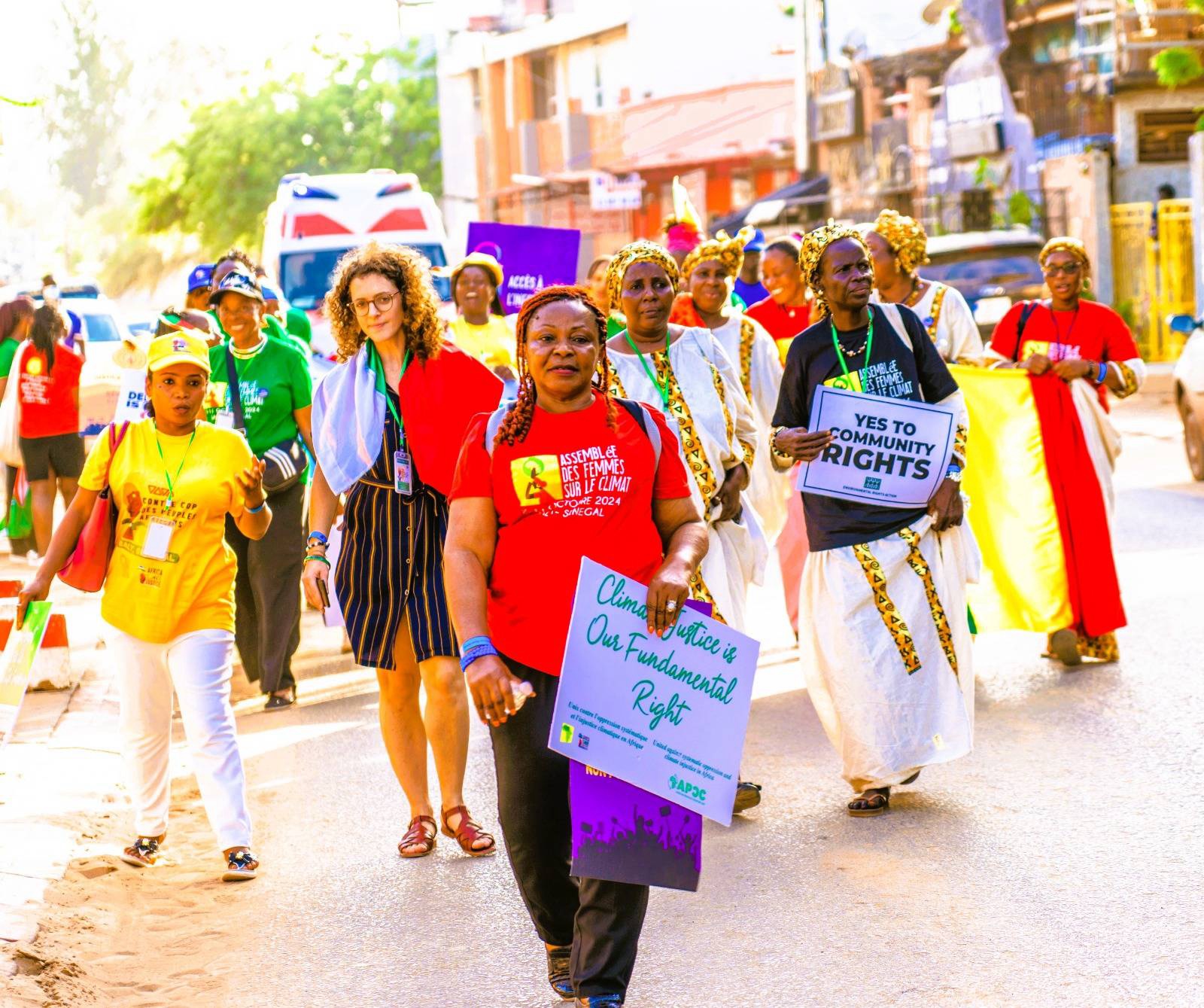
Unlike traditional conferences or summits, the African Women’s Climate Justice Day has no central venue or “main event.” Instead, it will be observed through coordinated local actions including marches, workshops, symbolic dress actions, poster-making, storytelling, singing, and digital campaigns. Organizers say the decentralized approach reflects the movement’s spirit.
“There is no main event, but rather a Call to Action for communities to unite against the increasing climate crises affecting Africa. It seeks to unite the collective struggles of African women. Several community-level activities will take place simultaneously across West and Central Africa Women’s Climate Assembly (WCA) member countries and elsewhere on the continent,” WoMin African Alliance’s Extractives, Militarisation and Violence Against Women Coordinator Winnet Shamuyarira told Witness Radio team.
The African Women’s Climate Justice Day is rooted in years of organizing through the Women’s Climate Assembly (WCA) and allied movements such as the African Climate Justice Collective (ACJC) and the African People’s Counter-COP across West and Central Africa since 2022.
These platforms have consistently criticized global climate governance spaces such as COP summits for excluding frontline communities while prioritizing the interests of donor countries and corporations.
“Through our march and this assembly, we have left our fingerprints, and it is clear what we want for our environment, our climate, our ecosystem, our livelihoods. During the COPs, we have seen how donor countries’ agendas dominate. You cannot come and steal African resources, and at the same time help us to get climate justice.” Reveals Khady Faye, from Senegal.
The initiative emerges amid worsening climate impacts across the continent, where heatwaves, droughts, floods, cyclones, and land degradation are increasingly devastating communities.
Africa contributes the least to global emissions but continues to experience some of the world’s most severe climate shocks. According to Winnet, the crisis is not only environmental but also deeply political and economic. “Africa is living the climate crisis now, yet more than 60% of Africans depend on agriculture, with women forming the backbone of food production and household survival systems,” she added.
A central demand of the movement is climate reparations, a call for financial and structural accountability from historical and industrial polluters.
African women activists argue that climate justice must go beyond aid or adaptation funding to include recognition of what they describe as a “climate debt” owed to Africa by industrialized nations, international financial institutions, and transnational corporations.
“This day is an important symbol of African women’s agency. It is more than a call to action; it is a continuum of a beautiful story of resistance, solidarity, and survival. It’s an earth-shattering roar of women’s voices and transformative actions. It’s not a day, it’s a story of survival, agency, and resistance by the women of Africa,” Winnet added.
Esther Finde Kande from Sierra Leone emphasized that climate justice must reframe how African women are viewed globally: “Climate justice in Africa is not a request for charity; it is a recognition of the women who feed the continent while the earth warms.”
At the heart of the Day of Action are structured conversations and community education processes aimed at raising awareness on climate change, climate debt, and its root causes, building community dialogue on lived experiences of climate impacts, challenging extractive economic systems driven by multinational corporations, and strengthening African women’s collective demands for climate justice.
Organizers say the actions are intentionally political, aimed at challenging what they describe as a global capitalist system that prioritizes profit over people and ecosystems.
Following the event, the movement plans to continue advocating for change by lobbying governments, building legal cases, and resisting harmful projects, encouraging ongoing hope and determination.
The goal, organizers say, is to ensure that African women’s voices are not symbolic but central to global climate decision-making.
Declared following a resolution at the WCA Steering Committee meeting in Monrovia in February 2026, the African Women’s Climate Justice Day is being described as a historic milestone in feminist climate organising on the continent as it builds on earlier calls from the 2024 WCA in Saly, Senegal, where participants first proposed a dedicated day to recognise African women’s leadership in climate justice struggles.