More than 1.1 billion people worldwide face a risk of land eviction – Global report
By Witness Radio team.
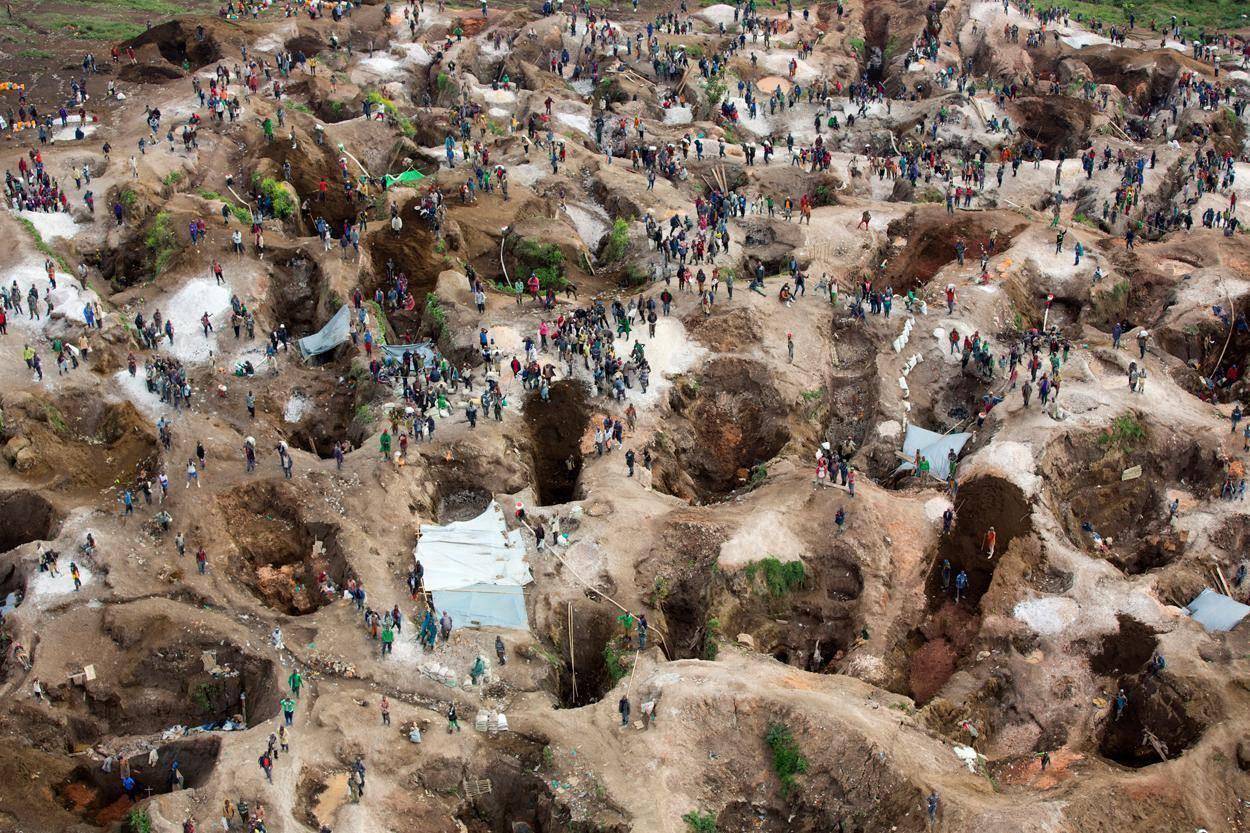
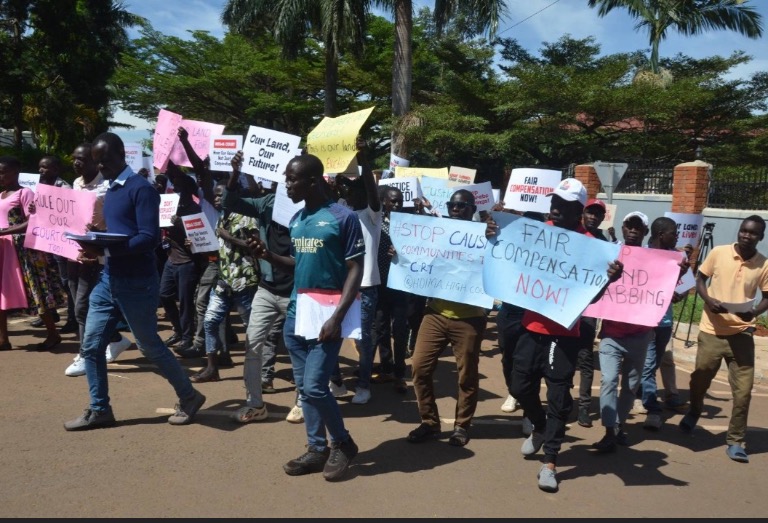
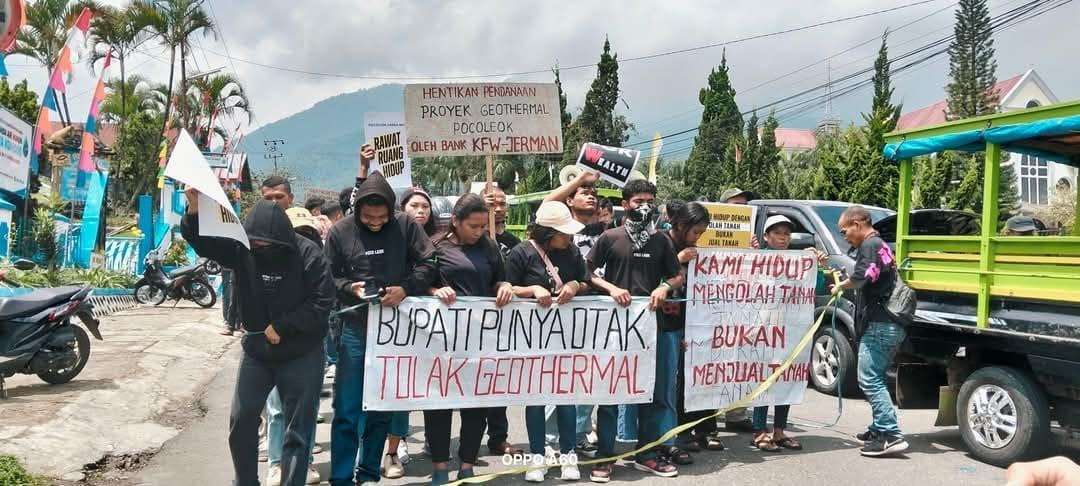
A global report released by the Food and Agriculture Organisation of the United Nations (FAO) in collaboration with other organizations has reported that more than 1.1 billion people worldwide— about 23 percent of the global adult population—live under the constant fear of losing their land or homes within the next five years, threatening their livelihoods, food security, and resilience to climate change.
“Too many people still live with the fear of losing their land and homes, with women and young people remaining among the most excluded—a reality that undermines food security, climate action, and biodiversity protection, and shows why secure land rights are foundational to achieving all three,” says Marcy Vigoda, Director of the International Land Coalition.
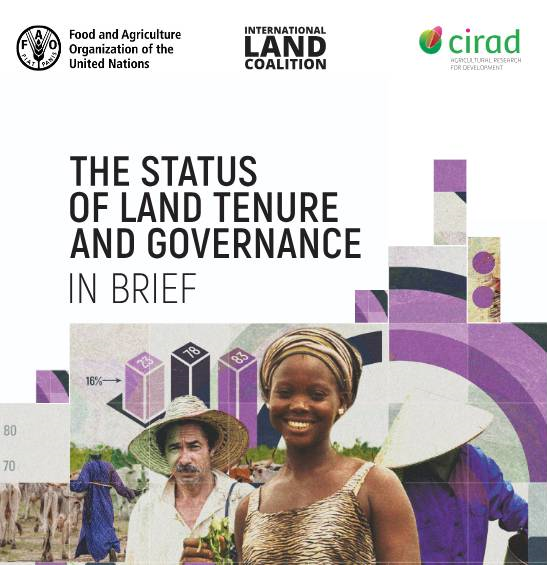
The report, titled “Status of Land Tenure and Governance” (SLTG), was authored by the Food and Agriculture Organization of the United Nations, the International Land Coalition (ILC), and the French Agricultural Research Organization CIRAD. The report states that, despite progress over the past two decades, only 35 percent of the world’s land has formally documented ownership, tenure, or use rights.
The report notes that commercial interests constitute a major driver of land insecurity. In addition to large-scale land acquisitions, corporate investments, and financialized shareholding, the report identifies factors such as weak land governance, inadequate recognition of customary tenure systems, and increasing demands for agricultural commodities as contributing to intensified land concentration. These dynamics, particularly evident in the aftermath of the 2008–2009 food and financial crises, have accelerated the transfer of land from smallholders and local communities, exacerbating vulnerabilities among populations lacking secure tenure.
Lands once considered marginal investment opportunities are now highly sought after for industrial farming, conservation, carbon storage, and other climate-related projects. In some cases, climate mitigation projects such as renewable energy, carbon offset schemes, and biofuel plantations are also increasing pressure on these lands, especially where tenure rights are not legally recognized.
The new report is the first comprehensive global stock take designed to track how land is owned, used, and governed. It complements decades of guidance on implementing the Voluntary Guidelines on the Responsible Governance of Tenure of Land, Fisheries, and Forests (VGGT). It responds to the growing demand to integrate land rights with climate action, gender equality, biodiversity protection, and more.
While international and national policies on land tenure have expanded, the report highlights that implementation remains slow and uneven. Although global frameworks have been widely adopted, the uptake and application of responsible land governance principles remain limited.
Worldwide, governments legally own more than 64 percent of land, including areas under customary systems that often lack formal documentation. A little over a quarter of land is privately owned, while about 10 percent of global land has an unknown tenure status.
The findings also reveal that the top 10 percent of the largest landholders operate about 89 percent of all agricultural land, showing the high concentration of land ownership globally. Secure land tenure enables people to invest in land, improve productivity, protect ecosystems, and strengthen food security.
“Land insecurity is one of the most damaging forms of inequality, paid for in lower productivity, weaker resilience, and poorer nutrition. Secure land tenure enables sustainable investment and is the difference between short-term survival and long-term food security,” FAO Chief Economist Maximo Torero Cullen reveals.
The report highlights persistent gender inequality in land ownership. Globally, women are significantly less likely than men to own or hold secure land rights. In 2024, across 108 countries, 48 percent of men reported owning homes individually or jointly, compared to 40 percent of women. “While rural residents are more likely than urban residents to report ownership, women remain consistently disadvantaged in both settings,” the report notes.
In agriculture, the gender gap is even more pronounced. In 43 out of 49 countries with available data, men in agricultural households are more likely to own or control land. In nearly half of these countries, the gap exceeds 20 percentage points. Evidence from several countries also shows that the gap is particularly large in sole land ownership, while joint ownership arrangements often improve women’s access to land.
Despite growing global attention to land governance, data on land tenure remains limited and politically sensitive. Methodological challenges, capacity limitations, and political sensitivities often reduce the availability and transparency of land tenure data.
According to Sélim Louafi, Deputy Director for Research and Strategy at CIRAD, stronger data systems are essential for better policy decisions. “When we generate evidence with and for all stakeholders, we create the foundation for stronger, more transparent, and more equitable public policies, both nationally and internationally.”
Experts say stronger policies and political commitment are needed to secure land rights for all. The report concludes: “Progress on land tenure and governance requires a stronger, more comprehensive, and better-coordinated approach to change, both within the land sector and in conjunction with global efforts on economic recovery, climate action, biodiversity conservation, and open societies.”