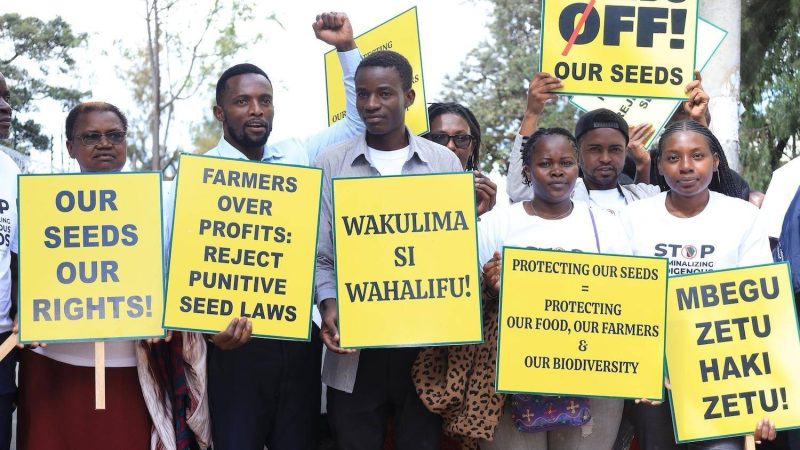
Young people and agriculture: Step into the world of Ugandan NGO ESAFF, where a new generation in schools is being inspired to reimagine farming, celebrate wholesome food, and become passionate advocates for food sovereignty.
By the Witness Radio team
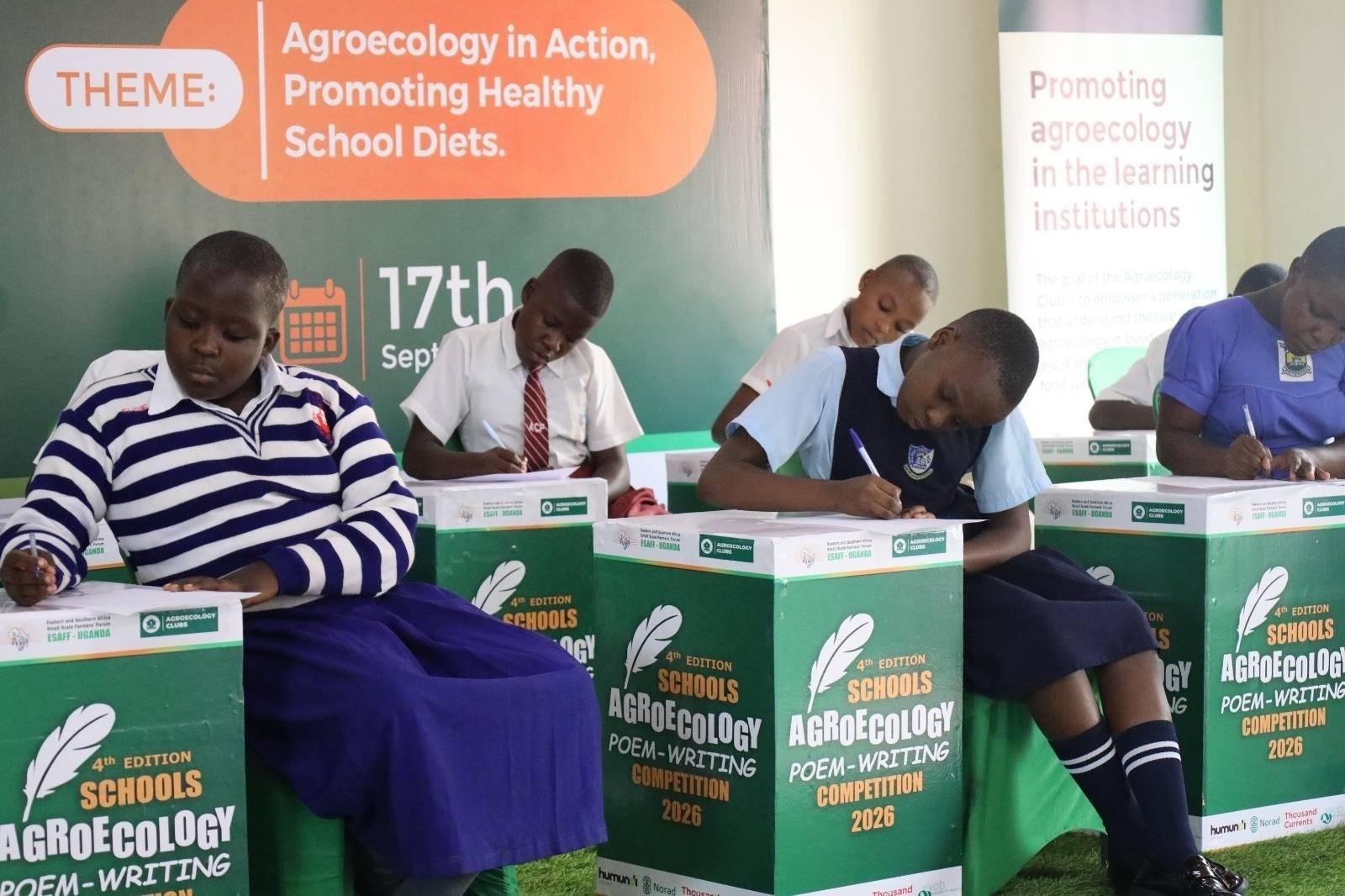
On September 17th, 2026, the Witness Radio team visited Namugongo Kyoto Foyers de Charite in Kampala, Uganda, where the grounds buzzed with excitement as schools set up camp. Pupils and students were passionately rehearsing for the grand finale of the Agroecology Poem Writing Competition, an event brought to life by ESAFF Uganda.
ESAFF believes that blending poetry, agroecology, and lessons on healthy food into school life helps students rekindle their bond with agriculture. This raises a bigger question: can Uganda ignite a passion in its youth to see farming as more than a traditional occupation, especially when agriculture pulses at the heart of the nation’s food system and sustains millions? All too often, the image of farming presented to young people misses the exciting opportunities and innovations transforming the field.
ESAFF observes that many still view agriculture as a last resort, missing its vital role as the backbone of most Ugandans’ livelihoods. Transforming how young people connect with farming begins by redefining what agriculture truly represents.
Fueled by this vision, ESAFF Uganda launched Agroecology Clubs in schools, inviting students to dive into sustainable food production, nurture soil health, celebrate biodiversity, and master the art of caring for the earth’s resources.
According to ESAFF Uganda, 245 poems were submitted before finalists from different parts of the country gathered for the national competition.
Among the sea of eager competitors from every corner of the country, one student shone brightly: Ssendawula Mesach, a Primary Six pupil from Lisa Junior School in Mukono district. Rather than gripping a hoe or tending a garden, he clutched a poem he had lovingly crafted, refined, and memorized over weeks of dedication.
For Ssendawula, the competition was more than a personal test; it was a chance to explore a topic blossoming in schools: the story of food’s journey from farm to table, agriculture’s impact on the environment, and the hope sustainable farming brings for tomorrow.
Before being crowned winner of the primary school category, Ssendawula spoke about the countless hours he poured into practice, encouraging his peers to pour their passion into future competitions. Meanwhile, Doreen Anzoa of St. Mary Asumpta Girls in Adjumani claimed victory in the secondary category.
This year’s competition celebrated the theme “Agroecology in Action: Promoting Healthy School Diets,” intertwining agriculture, nutrition, and environmental stewardship in the lively tapestry of school life.
“The poetry competition offers another way of bringing those ideas into the classroom. Rather than simply teaching learners about agriculture, it allows them to interpret and communicate what they are learning in their own words,” Nancy Mugimba, ESAFF Uganda’s National Coordinator, said. She added that involving young people is important to improve their knowledge about sustainable food production and ensure environmental protection is passed from one generation to the next.
“The young generation is needed because we need all ages to steward agroecology. It should not disappear with our forefathers,” Mugimba says.
She also challenges the perception that agroecology is primitive, arguing that indigenous seeds and local knowledge remain important to sustainable food production.
“Many people think that agroecology is primitive, but I beg to differ,” she says. “It is viewed as primitive because it seems like we are trying to keep things that everybody is trying to throw away, for example, indigenous seeds.”
According to Mugimba, the poetry competition is not simply about writing or winning. It encourages learners to think about the food they eat, where it comes from, and the relationship between farming and the environment.
“The poem is just an innovative way of helping the students to communicate their ideas on how best they understand agroecology and its benefits to the environment,” she says.
Government officials at the competition also wrestled with how young people perceive agriculture today.
Sande Bob George, the Ministry of Agriculture, Animal Industry and Fisheries’ National Focal Point Person for Organic Agriculture and Agroecology, said students’ poems and demonstrations reflected a generational shift in how agriculture can be understood, away from seeing it as punishment and towards viewing it as a source of livelihood, income and technology.
This shift is crucial in a country where agriculture anchors both livelihoods and food security. Young people are now urged to explore a growing spectrum of careers. Agriculture stands as the backbone of national development, employing over 70 percent of the population, most of whom live in rural areas, according to the United Nations Food and Agriculture Organization (FAO).
Mr. Hakim Baliraine, the National Chairperson of ESAFF Uganda, says the competition should therefore not be reduced to an extracurricular activity or a contest for trophies.
“This poem competition is not just for competition, but to widen and ensure we understand our food system and open our eyes to find solutions,” Baliraine said.
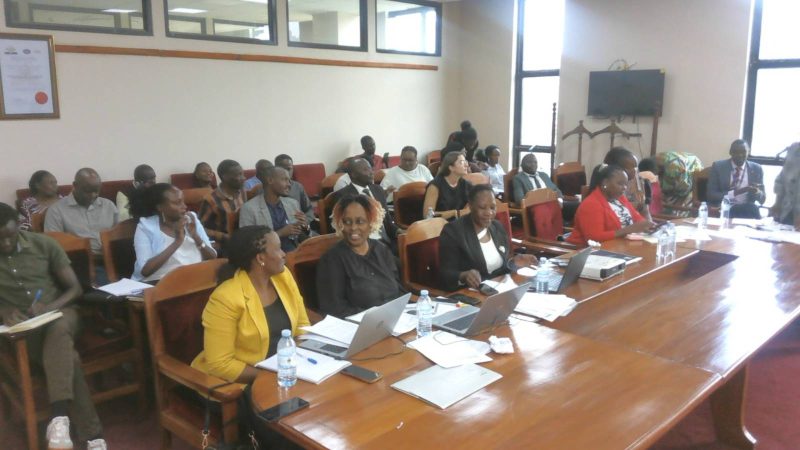
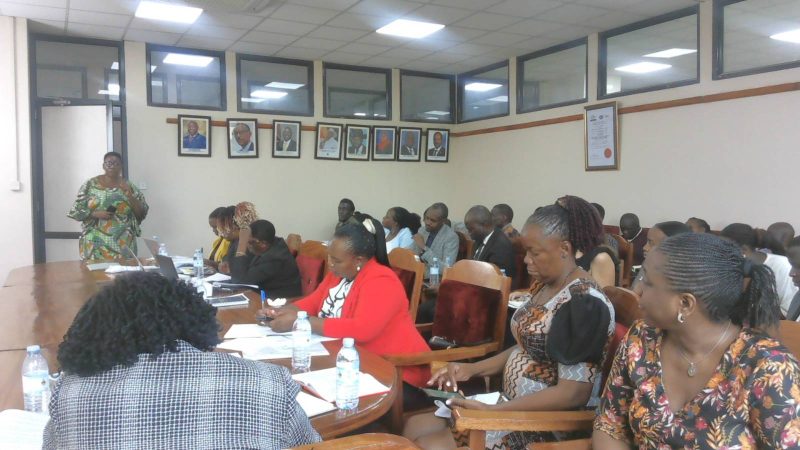
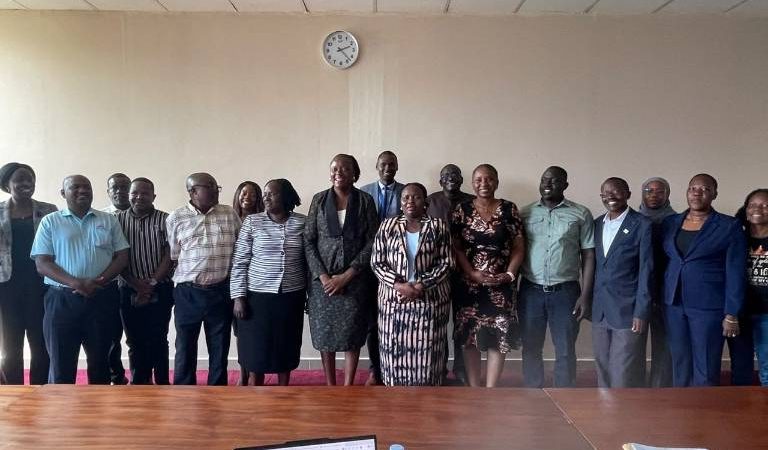
The national competition united over 30 school representatives, teachers, patrons, agroecology champions, and experts from districts such as Gulu, Fort Portal, Adjumani, Apac, Namisindwa, Mityana, and beyond.
The competition has grown remarkably since its inception. ESAFF Uganda shared that the Schools’ Agroecology Poem Writing Competition began in 2023 in Mbale with 10 participating schools. The second edition, launched in Mityana, drew 1,023 students from 32 institutions, including 18 secondary and 14 primary schools.
By the third edition, 41 schools joined in, with 19 secondary and 22 primary schools contributing over 570 poems.