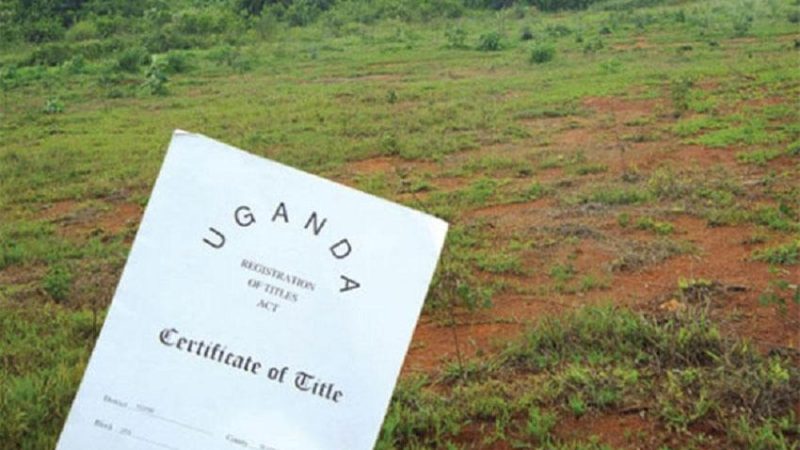
Uganda’s drive to expand oil palm farming is stirring unease among rural communities, who worry about the far-reaching effects on their lives and land.
By the Witness Radio Team
From Kalangala to Buvuma and Sango Bay, oil palm development has brought worries about land loss, delayed compensation, and dwindling access to natural resources. Now, as the government sets its sights on Busoga, community land defenders are questioning whether this expansion will truly uplift rural households or repeat the hardships seen elsewhere.
In Buvuma, community land defender Atanansi Musagala says some residents who surrendered land for oil palm development have waited years for compensation, some reportedly as long as a decade.
He says these delays have left families grappling to rebuild their lives after losing the land that once sustained them.
“Land is often the foundation of household survival. Families cultivate food crops, raise livestock and earn income from agricultural activities. It can also serve as a financial safety net, allowing households to sell produce or use their property to support other investments during difficult times,” Musagala told Witness Radio.
“When families lose this resource without timely compensation, rebuilding their livelihoods becomes more difficult. They may have to find alternative land, seek casual employment or depend on relatives to meet basic needs. Children’s education, household food consumption and other essential expenses may compete for whatever income remains available.”
“Even when compensation eventually arrives, the money may no longer be sufficient to purchase equivalent land or restore the economic activities that families previously depended on,” he added.
The worries about land loss and threatened livelihoods stretch beyond Buvuma. In Kalangala, the birthplace of Uganda’s oil palm program, women’s rights and land defender Prossy Gwobikira says the expansion has also strained communities’ access to natural resources and sparked environmental fears.
“You see, hundreds of people were evicted to give way for oil palm. They cut forests to plant these palm trees, and now they have gone on to destroy our lake by planting trees in the buffer zone,” she said.
In Sango Bay, Kyotera District, oil palm development has been shadowed by bitter disputes over land acquisition and compensation.
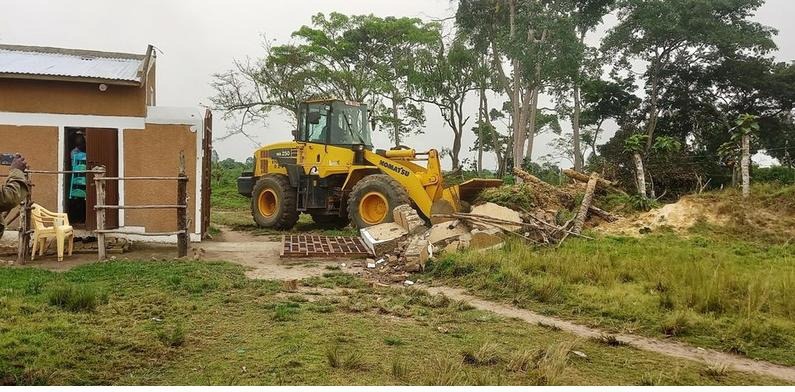
In 2022, as the government moved to clear land for the project, reports surfaced of evictions in the Sango Bay Estate. Bulldozers tore down structures belonging to those labeled as encroachers across roughly 247 square miles.
At the time, the government said it was prepared to compensate only 300 people considered bona fide occupants, out of an estimated 10,000 households living in the area.
Reports suggested that compensation had begun, yet uncertainty lingered for the many households still unsure how their claims to land and property would be resolved.
Anxiety is growing as the government eyes Busoga for oil palm expansion, touting the crop as a solution to boost rural incomes and reduce Uganda’s reliance on imported vegetable oil.
On October 21, Agriculture Minister Frank Tumwebaze told Parliament that Uganda consumes approximately 450,000 tonnes of vegetable oil annually but produces only 80,000 tonnes, leaving a deficit of 370,000 tonnes.
The country spends about US$300 million, equivalent to Shs1.25 trillion, on annual imports, he said.
To address the shortfall, the government plans to expand oil palm cultivation to approximately 100,000 hectares, with a longer-term ambition of reaching between 150,000 and 200,000 hectares within a decade.
Tumwebaze said oil palm produces between four and 10 times more oil per hectare than crops such as soybean and sunflower.
He also said farmers could earn about Shs500,000 per acre per month from the fourth year after planting, with production continuing for about 20 years.
But Musagala warns that farmers also shoulder costs that could eat into their earnings.
“Oil palm takes several years to mature, while farmers must meet the costs of seedlings, fertilizers, labor and other inputs before harvesting begins. Loan repayments can add to the pressure for those who borrow money to establish their plantations.” He added.
In Mayuge, Bugiri and Namayingo, 589.56 hectares are already under oil palm, out of the 2,817 hectares earmarked for cultivation.
As the project spreads into Busoga, community land defenders urge the government to address the challenges already reported in existing oil palm regions.
“People where this project has been, have suffered a lot. We pray that the government learns from the past mistakes and addresses the impacts that have come along with the project so that elsewhere people benefit,” Gwobikira said.
Busoga has already felt the impact of sugarcane cultivation, sparking worries over food security, land use and rural livelihoods. Now, as oil palm production expands, community land defenders are pressing the government to ensure this new investment does not deepen existing problems but instead offers farmers a steady income and safeguards their access to land and food.